Self-Custodial Crypto Cards: A Complete Guide
Quick answer: A self-custodial wallet leaves signing authority with the user. A crypto card is a separate payment instrument, usually issued through regulated partners, so combining them doesn’t make every part of a payment non-custodial.
Card spending isn’t sending crypto
Merchants receive a card authorization and are settled through standard payment rails. The program has to provide enough value to cover the charge, so crypto may be transferred, converted, reserved or prefunded.
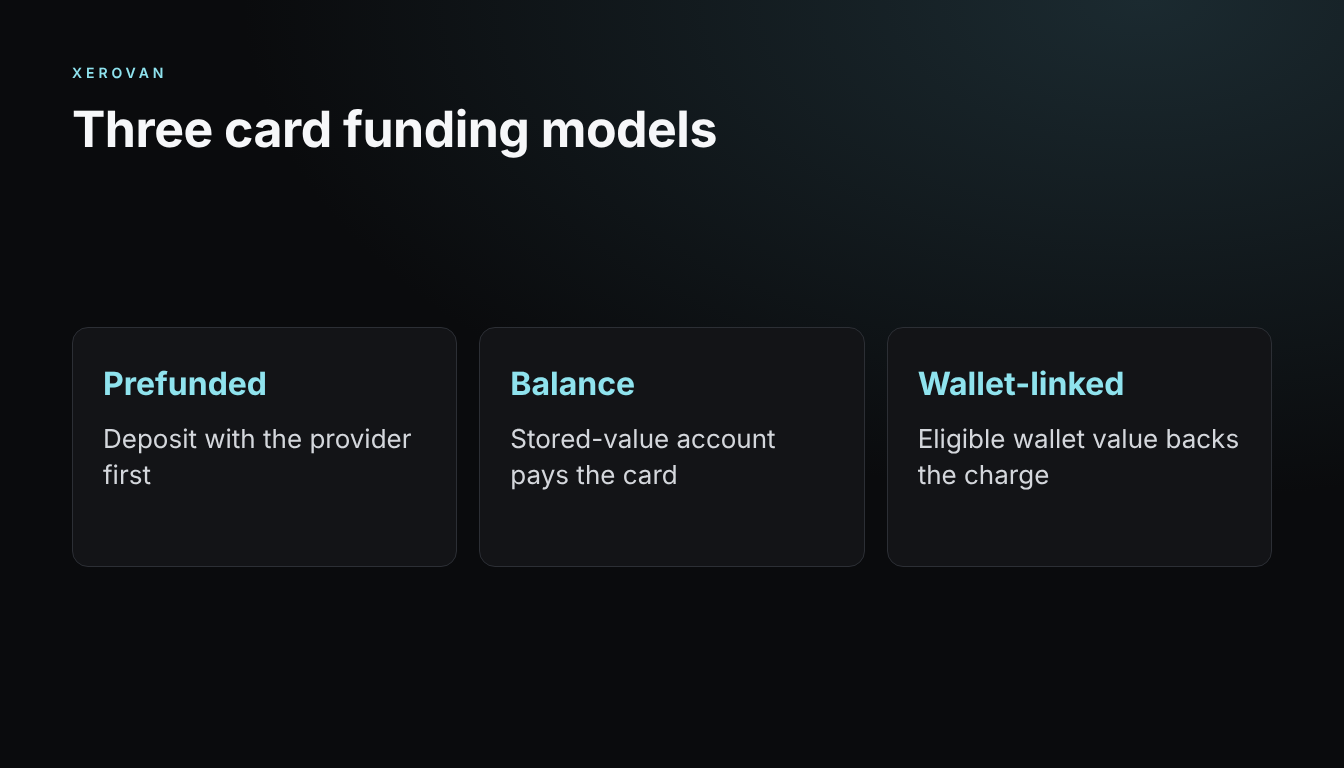
Three funding models
- Prefunded: you deposit with the provider before spending.
- Balance: a separate stored-value account pays the card.
- Wallet-linked: eligible wallet value backs the charge through the program’s authorization process.
“Self-custodial card” tells you little until you know what leaves the wallet, when, and under whose control.
Where MPC fits
Multi-party computation splits signing work across shares or parties, so one conventional key file isn’t the only point of failure. It doesn’t remove phishing, compromised devices or malicious approvals.
Fees and conversion risks
Review card fees, cross-border charges, conversion spreads and network fees. Stablecoins can lose their peg, and transfers can be delayed.
Questions to ask a provider
- Who holds signing authority?
- Can the provider move assets alone?
- Must funds be deposited before spending?
- Which entity issues the card?
- What happens during an outage or restriction?
Where Xerovan fits
Xerovan combines a self-custodial MPC multi-wallet with virtual and physical Visa cards in one app. Cards are issued through licensed partners, and availability varies by country. See spend crypto with Visa or compare custodial and non-custodial cards.
Note: This article is general information, not financial or legal advice. Xerovan is not a bank; card and payment services are provided by licensed partners. Availability and fees vary by country, and merchants and issuers decide whether to approve a payment. Digital assets involve risks, including price volatility, network disruptions and possible loss of funds.